to be
revealed
Satraps
Book 1Nikometros rides in the guard of a dead king. The king is Alexander the Great, and his golden coffin is bound for Egypt. The general who has claimed Egypt, Ptolemaios, is Nikometros' father, and Ptole…
Read More →




 Cowboy Fever Series Anthology by Karen WiesnerMay 28, 2026Cowboy Fever Series Anthology is a compilation of five novellas and a novel in t...
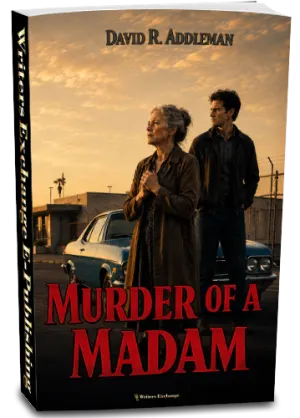 Murder of a Madam by David R. AddlemanMay 26, 2026She gave him a family. Someone made sure she'd never see tomorrow.
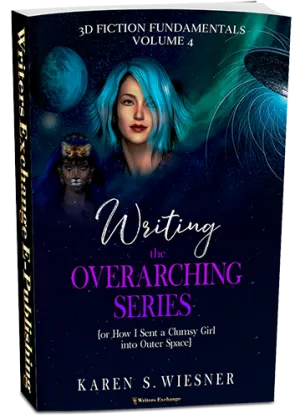 3D Fiction Fundamentals Collection, Book 4: Writing the Overarching Series (or How I Sent a Clumsy Girl into Outer Space) by Karen S. WiesnerApril 29, 2026The guide that covers what other series writing books do not.
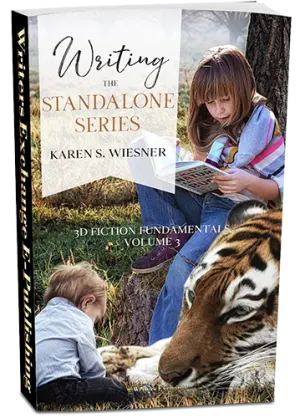 3D Fiction Fundamentals Collection, Book 3: Writing the Standalone Series by Karen S. WiesnerMarch 5, 2026Your series ideas deserve more than good intentions. Get the blueprint that turn...
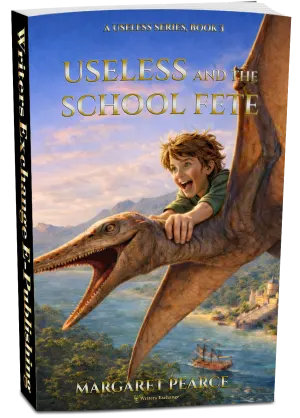 A Useless Series, Book 3: Useless and the School Fete by Margaret PearceNovember 26, 2025Escape the elves. Free the prisoners. Beat the clock.
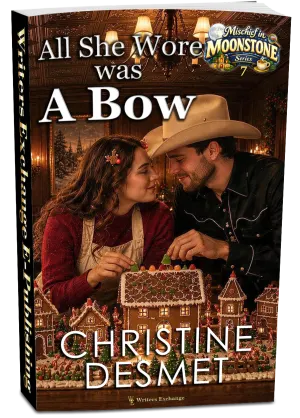 Mischief in Moonstone Series, Book 7: All She Wore Was a Bow by Christine DeSmetNovember 4, 2025He rolled into town to stop a wedding. He never planned on Mrs. Claus.
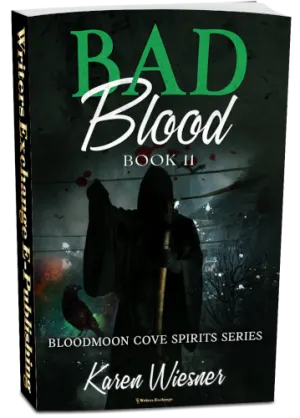 Bloodmoon Cove Spirits Series, Book 11: Bad Blood by Karen WiesnerOctober 26, 2025Blood will have blood... George Maulson and Chenoa Eponi are some of the last de...
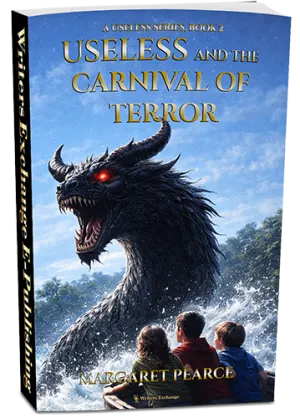 A Useless Series, Book 2: Useless and the Carnival of Terror by Margaret PearceSeptember 18, 2025The carnival gates swing open, but no one leaves. When Ewen "Useless" Euston and...
 The Use of Misdirection in Fantasy FictionMay 31, 2025Exploring Reader Reactions, Writer Strategies, and the Art of the Unexpected Mis...
 The Importance of Research in Historical Fiction WritingApril 9, 2025Historical fiction bridges the past and the present, offering readers a vivid gl...
 Uncovering Allegorical Elements in Classic Christian LiteratureMarch 9, 2025What Allegory Actually Does Christian literature has always done something more...
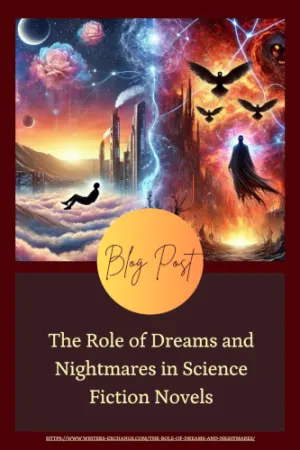 The Role of Dreams and Nightmares in Science Fiction NovelsJanuary 17, 2025Science fiction has long been a genre of boundless creativity, exploring themes...Cowboy Fever Series Anthology by Karen WiesnerMay 28, 2026Cowboy Fever Series Anthology is a compilation of five novellas and a novel in t...Murder of a Madam by David R. AddlemanMay 26, 2026She gave him a family. Someone made sure she'd never see tomorrow.3D Fiction Fundamentals Collection, Book 4: Writing the Overarching Series (or How I Sent a Clumsy Girl into Outer Space) by Karen S. WiesnerApril 29, 2026The guide that covers what other series writing books do not.3D Fiction Fundamentals Collection, Book 3: Writing the Standalone Series by Karen S. WiesnerMarch 5, 2026Your series ideas deserve more than good intentions. Get the blueprint that turn...A Useless Series, Book 3: Useless and the School Fete by Margaret PearceNovember 26, 2025Escape the elves. Free the prisoners. Beat the clock.Mischief in Moonstone Series, Book 7: All She Wore Was a Bow by Christine DeSmetNovember 4, 2025He rolled into town to stop a wedding. He never planned on Mrs. Claus.Bloodmoon Cove Spirits Series, Book 11: Bad Blood by Karen WiesnerOctober 26, 2025Blood will have blood... George Maulson and Chenoa Eponi are some of the last de...A Useless Series, Book 2: Useless and the Carnival of Terror by Margaret PearceSeptember 18, 2025The carnival gates swing open, but no one leaves. When Ewen "Useless" Euston and...The Use of Misdirection in Fantasy FictionMay 31, 2025Exploring Reader Reactions, Writer Strategies, and the Art of the Unexpected Mis...The Importance of Research in Historical Fiction WritingApril 9, 2025Historical fiction bridges the past and the present, offering readers a vivid gl...Uncovering Allegorical Elements in Classic Christian LiteratureMarch 9, 2025What Allegory Actually Does Christian literature has always done something more...The Role of Dreams and Nightmares in Science Fiction NovelsJanuary 17, 2025Science fiction has long been a genre of boundless creativity, exploring themes...